
Jul
9
A few weeks ago we were hiking along the Rogue river with the kids and Dylan tripped over a rock and went flying headfirst off the trail, straight down the steep bank, where his body managed to get turned around and he slid backwards before grabbing ahold of the trunk of a small tree while I screamed “Hang on!” and JB scrambled down to help him. He was covered in scrapes and bruises afterwards, oozing blood from various body parts as we shakily finished out the last stretch to the trailhead, but oh man, it could have been so much worse. The trail itself isn’t difficult — you see young kids and older people on it all the time — but there are plenty of sheer drops where it winds high above the water. Dylan is normally as surefooted as a knobby-knee’d, basketball-jersey-wearing mountain goat, but he was tired and it was hot and we were near the finish line and I don’t know, accidents happen, right?
That accident, if it had happened maybe 30 seconds sooner or later, may have had results I cannot even bring myself to imagine. 40 seconds, two minutes, half an hour: a forever-stretching vista of possibilities. A million combinations of stumble and terrain, and it happened where there was ground instead of empty air, and a tree to hold onto.
That moment of what-might-have-been was on my mind during an AA meeting recently, when someone was talking about her own brush with disaster. “My higher power was definitely looking out for me that day,” she said earnestly, and everywhere in the room heads nodded in recognition.
I thought of Dylan and whether I believed, even a little, that some benign force in the universe intervened on his behalf: no. I thought of all those intersections in space and time and the possible outcomes from each one, and whether I believed he walked a predestined path that day, one that included a frightening misstep but not a cracked-open skull: no. I thought of coincidences, and whether I believe the popular AA saying that they do not exist: no.
In the past it has felt to me like the entire program — based as it is around a book full of male-centric, decidedly Christian language that hasn’t been updated since 1939 — is a bit like the tale of the Emperor’s new clothes. I still have moments when I wonder if I’m really in the right place.
But in confirming what I do not believe, I am slowly unraveling what I do believe. My sponsor encourages me to rewrite the steps as we work through them, and piece by piece, I’m building my own practice. Right now it doesn’t include God or even a vaguely-defined higher power, but it does include plenty of gratitude. I’m grateful Dylan is okay. I’m grateful I’m sober. I’m even grateful for the opportunities I have to disagree and wallow in skepticism, because I think the end result is a clearer, bigger picture than the one I had before.
Comments Off on Salvation and chance, AA and God
Jun
9
Remember Tiny Cat? She looked like this a week ago:
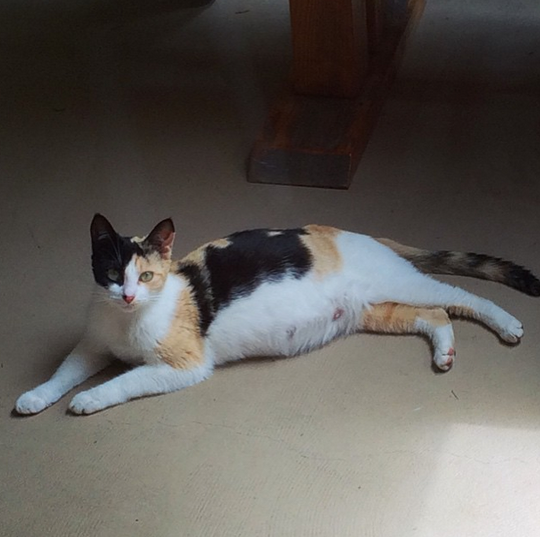
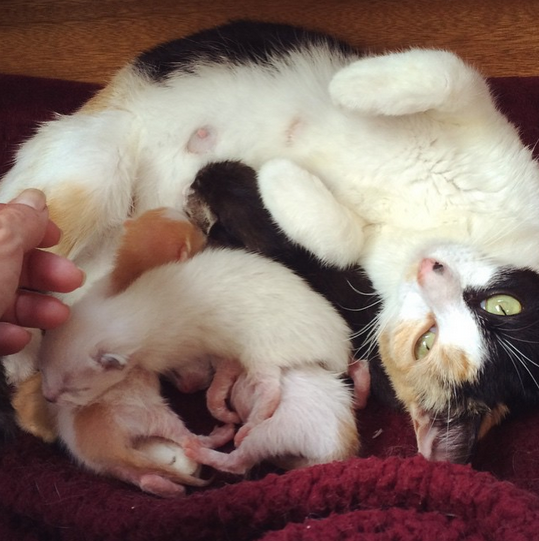
I thought she seemed pretty uncomfortable (girrrrrl, I feel you), which makes sense because this is what happened last Friday:
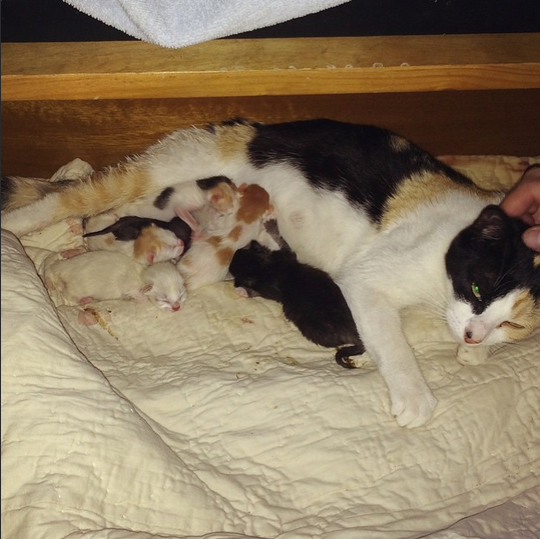
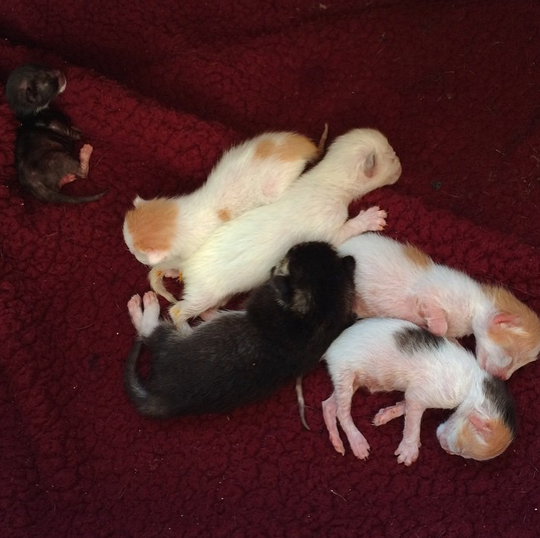
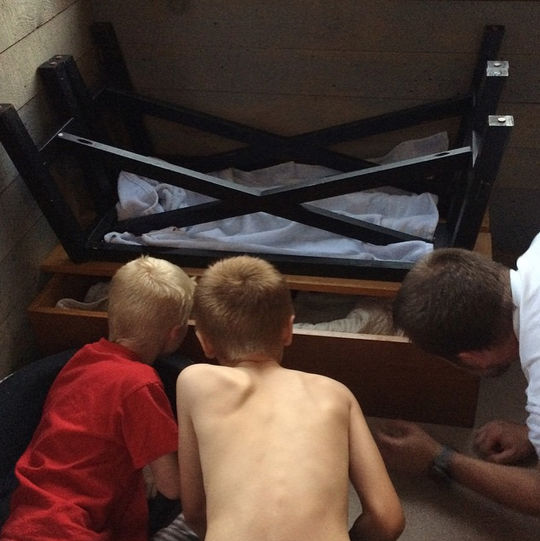
It’s been pretty amazing to watch her take care of business:
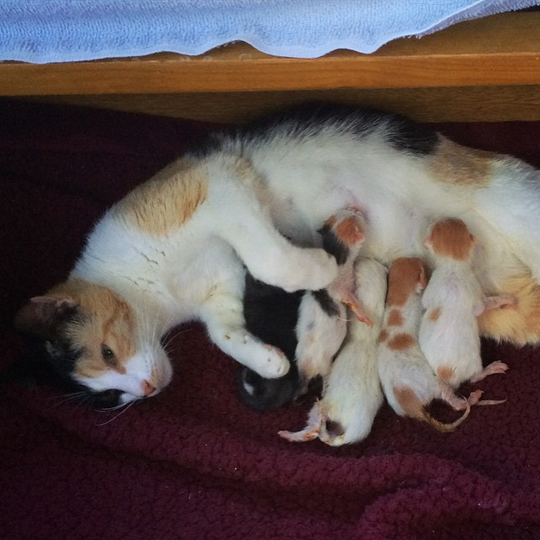
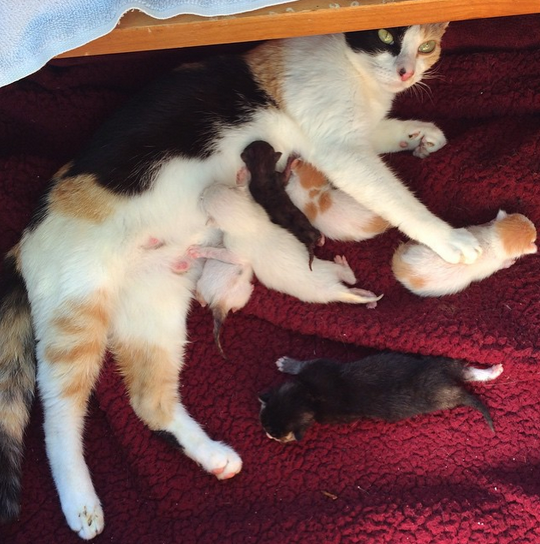
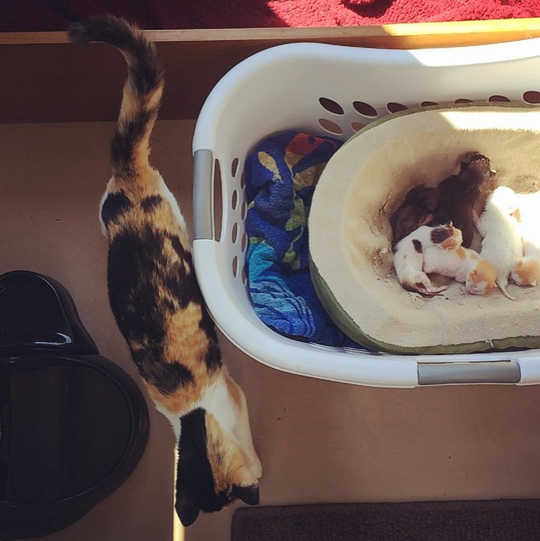
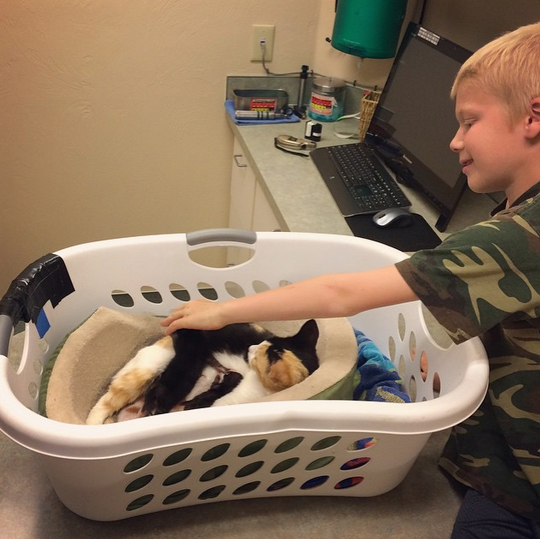
One kitten was much smaller and more fragile than the others. I was hopeful when I saw him battling his way through his bigger siblings to latch on … but I found him this morning, slipped away to the great cat beyond. Poor little guy.
Still, there are five thriving furballs to care for, and TC’s doing an amazing job. Man, we humans think we have it rough with newborns — at least we don’t have to lick their buttholes clean.
Comments Off on New arrivals
-
My product review site:

 [
[